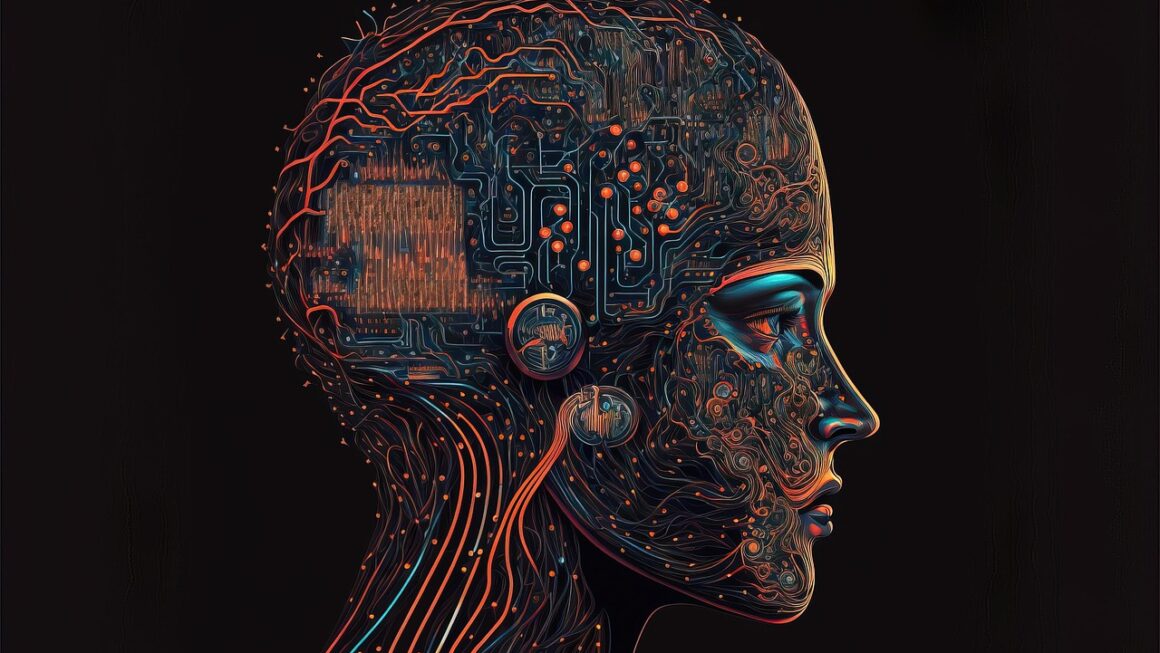

Artificial intelligence (AI) tools are rapidly transforming the way we live and work, offering unprecedented opportunities for innovation and efficiency. From automating mundane tasks to generating creative content, AI is becoming an indispensable part of many industries. Understanding and leveraging these tools can significantly boost productivity, improve decision-making, and unlock new possibilities for businesses and individuals alike. This blog post explores the diverse landscape of AI tools, highlighting their applications, benefits, and how you can effectively integrate them into your workflow.
Understanding the Broad Spectrum of AI Tools
What Exactly are AI Tools?
AI tools encompass a wide range of software and platforms that utilize artificial intelligence to perform tasks that typically require human intelligence. These tools leverage algorithms and machine learning models to analyze data, make predictions, automate processes, and even create original content.
- Machine Learning Platforms: These platforms provide the infrastructure and tools needed to build, train, and deploy machine learning models. Examples include Google Cloud AI Platform, Amazon SageMaker, and Microsoft Azure Machine Learning.
- Natural Language Processing (NLP) Tools: NLP tools focus on enabling computers to understand, interpret, and generate human language. Applications include sentiment analysis, chatbot development, and language translation.
- Computer Vision Tools: Computer vision AI focuses on enabling computers to “see” and interpret images and videos. This includes object recognition, facial recognition, and image classification.
- Automation Tools: These tools use AI to automate repetitive tasks, freeing up human workers to focus on more strategic and creative work. Examples include robotic process automation (RPA) and intelligent automation platforms.
- Generative AI Tools: These tools use AI models to generate new content, such as text, images, audio, and video. Examples include tools for content creation, design, and code generation.
Why Are AI Tools Becoming So Popular?
The popularity of AI tools stems from several key factors:
- Increased Efficiency and Productivity: AI automates repetitive tasks, freeing up human workers to focus on more strategic initiatives. Studies show that companies using AI experience a significant increase in productivity – a McKinsey report estimates that AI technologies could automate 45% of the activities individuals are paid to perform.
- Improved Decision-Making: AI tools can analyze vast amounts of data to identify patterns and insights that humans might miss, leading to more informed and data-driven decisions.
- Enhanced Customer Experiences: AI-powered chatbots and personalized recommendations improve customer engagement and satisfaction.
- Reduced Costs: Automation and optimization through AI can significantly reduce operational costs and improve profitability.
- Innovation and Creativity: Generative AI tools empower users to explore new ideas and create innovative content quickly and easily.
Exploring Different Categories of AI Tools
AI for Content Creation
AI-powered content creation tools are revolutionizing the way we produce written, visual, and audio content.
- Text Generation: Tools like Jasper, Copy.ai, and Rytr can generate blog posts, marketing copy, social media updates, and even email campaigns. Simply provide a topic and some keywords, and the AI will generate high-quality, original content.
Example: Need a product description for a new line of eco-friendly water bottles? Jasper can generate several options based on keywords like “sustainable,” “BPA-free,” and “durable.”
- Image Generation: Tools like DALL-E 2, Midjourney, and Stable Diffusion allow users to create stunningly realistic and imaginative images from text prompts.
Example: Imagine creating a photorealistic image of “a cat wearing a crown in a spaceship” simply by typing that prompt into Midjourney.
- Video Generation: Synthesia and Pictory allow you to create professional-quality videos without the need for expensive equipment or filming. These tools can generate videos from text scripts, add voiceovers, and even create animated characters.
Example: Synthesia allows you to create training videos for your employees using AI-generated avatars speaking in multiple languages.
AI for Data Analysis and Business Intelligence
AI is transforming data analysis and business intelligence by automating tasks, uncovering hidden insights, and improving decision-making.
- Predictive Analytics: Tools like Tableau CRM (formerly Einstein Analytics) and IBM Watson Studio use machine learning to predict future trends and outcomes based on historical data.
Example: A retail company can use predictive analytics to forecast demand for specific products, optimize inventory levels, and personalize marketing campaigns.
- Data Visualization: AI-powered data visualization tools like Microsoft Power BI and Google Data Studio can automatically generate insightful charts and graphs, making it easier to understand complex data.
Example: Power BI can automatically create a dashboard showing key performance indicators (KPIs) for your sales team, such as revenue, customer acquisition cost, and sales conversion rates.
- Fraud Detection: AI algorithms can identify fraudulent transactions and activities by analyzing patterns and anomalies in large datasets.
Example: Banks and credit card companies use AI-powered fraud detection systems to prevent unauthorized transactions and protect customers from financial losses.
AI for Customer Service and Support
AI-powered chatbots and virtual assistants are improving customer service and support by providing instant answers, resolving issues quickly, and personalizing interactions.
- Chatbots: Platforms like Dialogflow and Amazon Lex allow you to build intelligent chatbots that can answer customer questions, provide product information, and even process orders.
Example: An e-commerce website can use a chatbot to answer frequently asked questions about shipping, returns, and product availability, reducing the workload for human customer service agents.
- AI-powered Email Response: Tools like Zendesk and Front can automatically categorize and prioritize customer emails, suggest responses, and even resolve simple issues without human intervention.
Example: Zendesk can automatically detect the sentiment of a customer email and route it to the appropriate support agent based on the topic and urgency.
- Personalized Recommendations: AI algorithms can analyze customer data to provide personalized product recommendations, improving customer engagement and driving sales.
Example: Netflix uses AI to recommend movies and TV shows based on your viewing history and preferences, keeping you engaged and entertained.
Practical Examples of AI Tool Usage Across Industries
AI tools are being adopted across diverse sectors, leading to transformative outcomes. Here are a few practical examples:
- Healthcare: AI is used for disease diagnosis, drug discovery, personalized medicine, and robotic surgery. For instance, AI algorithms can analyze medical images (X-rays, MRIs) to detect tumors with greater accuracy than human radiologists.
- Finance: AI is used for fraud detection, risk management, algorithmic trading, and customer service. AI-powered chatbots can provide instant support to customers, answer financial queries, and even process transactions.
- Marketing: AI is used for personalized marketing, targeted advertising, content creation, and social media management. AI algorithms can analyze customer data to create highly targeted advertising campaigns that are more likely to convert.
- Manufacturing: AI is used for predictive maintenance, quality control, and supply chain optimization. AI-powered sensors can monitor equipment performance and predict potential failures, reducing downtime and improving efficiency.
- Education: AI is used for personalized learning, automated grading, and student support. AI-powered tutoring systems can provide students with individualized instruction and feedback, helping them to learn at their own pace.
Implementing AI Tools: A Step-by-Step Guide
Integrating AI tools into your existing workflows requires a structured approach. Here’s a step-by-step guide:
Example: When implementing facial recognition technology, ensure you have proper consent and data protection measures in place.
Conclusion
AI tools are transforming industries and empowering individuals with unprecedented capabilities. By understanding the diverse range of AI tools available and implementing them strategically, you can unlock new opportunities for innovation, efficiency, and growth. Whether you’re automating tasks, analyzing data, or creating content, AI is becoming an essential ingredient for success in the modern world. Embrace the power of AI and explore how it can revolutionize your business and enhance your life.