
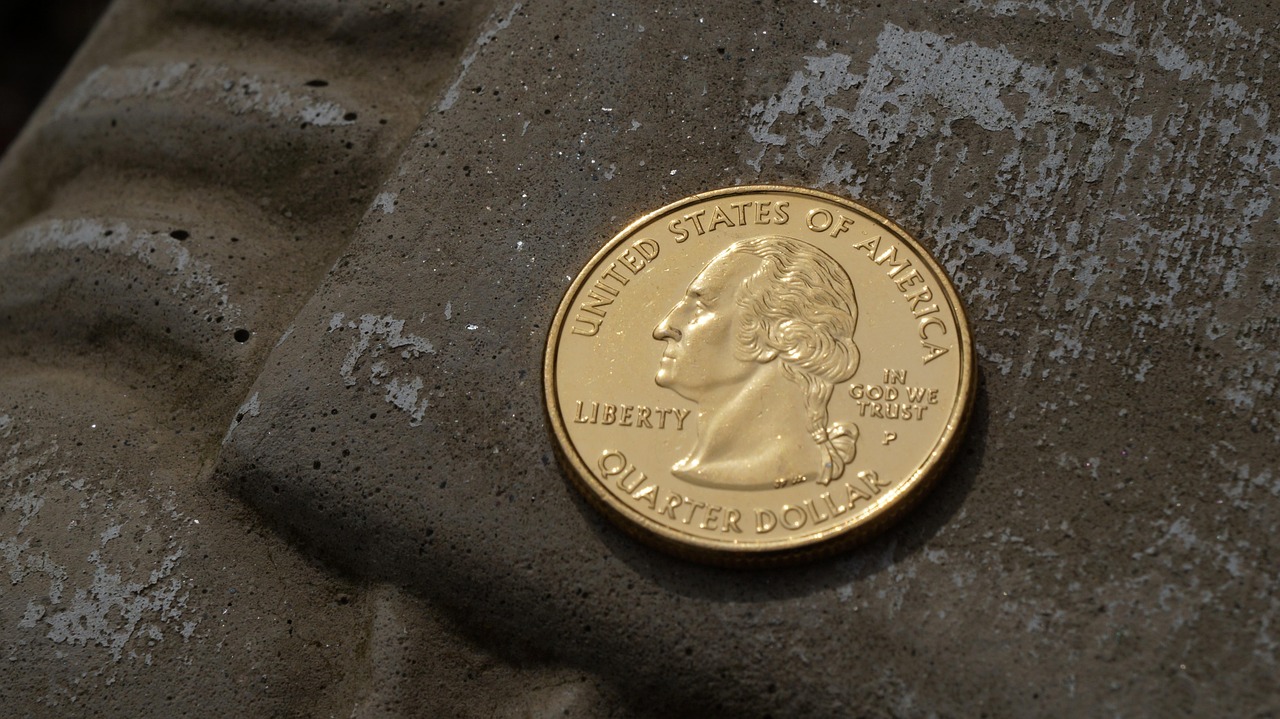
Inflation erodes the purchasing power of money, making everything from groceries to gas more expensive. As consumers and investors grapple with rising prices, the search for effective strategies to preserve wealth intensifies. An inflation hedge is an investment that is expected to maintain or increase its value during periods of inflation, thereby protecting your overall wealth. This post will delve into various inflation hedges, how they work, and their potential benefits and drawbacks, providing a comprehensive guide to navigating inflationary environments.
What is an Inflation Hedge?
Definition and Purpose
An inflation hedge is an asset or investment strategy designed to protect the purchasing power of money during periods of inflation. The core idea is that the value of the hedge will rise at a similar or greater rate than the rate of inflation, offsetting the decline in the value of currency. The goal is to maintain your real wealth, meaning your wealth adjusted for inflation.
How Inflation Impacts Investments
Inflation diminishes the real returns on many investments. For example, if you have a savings account earning 2% interest annually and inflation is at 4%, your real return is actually -2%. This means your purchasing power is decreasing. Assets that are negatively correlated or uncorrelated to traditional financial assets during inflationary periods can serve as effective hedges.
- Inflation reduces the real return on savings accounts and fixed-income investments.
- It can also erode the value of stocks if companies are unable to pass increased costs on to consumers.
- Inflation-sensitive assets can help preserve capital and potentially generate real returns above the inflation rate.
Common Types of Inflation Hedges
Real Estate
Real estate is often considered a good inflation hedge. As the cost of goods and services rises, so does the demand for housing and commercial space, potentially driving up property values and rental income. Additionally, mortgages are often fixed-rate, meaning the real cost of the debt decreases over time during inflation.
- Rental Properties: Increase in rental income can keep pace with inflation.
- Homeownership: Fixed-rate mortgages become cheaper in real terms as inflation rises.
- REITs (Real Estate Investment Trusts): Publicly traded companies that own or finance income-producing real estate can provide exposure to the real estate market without direct ownership.
Commodities
Gold and Precious Metals
Gold has historically been a popular inflation hedge. Its supply is relatively limited, and it’s often seen as a store of value during times of economic uncertainty. Other precious metals like silver and platinum can also serve as hedges.
- Scarcity: Limited supply can drive up prices during inflationary periods.
- Safe Haven: Gold is often perceived as a safe store of value in times of economic turmoil.
- Diversification: Gold typically has a low correlation with stocks and bonds.
- Example: During periods of high inflation in the 1970s, the price of gold rose significantly.
Oil and Energy
Oil and other energy commodities are crucial for economic activity. As inflation rises, so does the cost of energy, which can drive up the value of energy-related investments.
- Directly Affected by Inflation: As energy costs rise, so does the value of oil and related assets.
- Supply and Demand Dynamics: Geopolitical events and supply disruptions can exacerbate inflationary pressures on energy prices.
- Considerations: Environmental concerns and the shift towards renewable energy sources can influence the long-term outlook.
Inflation-Protected Securities
Treasury Inflation-Protected Securities (TIPS)
TIPS are U.S. government bonds that are indexed to inflation. The principal of the bond increases with inflation and decreases with deflation, as measured by the Consumer Price Index (CPI). When the bond matures, you receive the adjusted principal or the original principal, whichever is greater.
- Inflation Adjustment: The principal of TIPS is adjusted based on changes in the CPI.
- Fixed Interest Rate: TIPS pay a fixed interest rate on the adjusted principal.
- Safety: Backed by the full faith and credit of the U.S. government.
I Bonds
I Bonds are another type of U.S. government savings bond designed to protect against inflation. They earn a fixed rate of return plus an inflation rate, which adjusts twice a year based on changes in the CPI-U.
- Combination of Fixed and Inflation Rates: Earn a fixed rate plus an inflation rate.
- Tax Advantages: Interest earned is exempt from state and local taxes, and federal income tax can be deferred until redemption or maturity.
- Limitations: Annual purchase limits apply.
Other Potential Hedges
Commodities-Linked Equities
Investing in companies involved in the production and distribution of commodities can provide indirect exposure to commodity price increases.
- Example: Investing in mining companies, energy companies, or agricultural companies.
Inflation-Linked Annuities
These annuities provide a stream of income that is adjusted for inflation, offering a hedge against the rising cost of living in retirement.
Cryptocurrencies (Controversial)
Some argue that cryptocurrencies like Bitcoin can serve as an inflation hedge due to their limited supply. However, their volatility and regulatory uncertainty make them a riskier option.
Evaluating the Effectiveness of Inflation Hedges
Historical Performance
Examining the historical performance of different assets during periods of high inflation can provide insights into their effectiveness as hedges. For example, gold has often performed well during inflationary periods, but its performance can vary depending on the specific economic conditions.
Correlation with Inflation
A strong positive correlation with inflation is a key indicator of an effective hedge. This means that the asset’s price tends to rise when inflation rises. However, correlation is not causation, and other factors can influence asset prices.
Liquidity and Volatility
Liquidity refers to how easily an asset can be bought or sold without affecting its price. High volatility can make an asset more risky, even if it performs well as an inflation hedge in the long run. Consider your risk tolerance and investment time horizon when selecting inflation hedges.
Diversification Considerations
Diversifying your portfolio with a mix of different inflation hedges can help reduce risk. No single asset is guaranteed to perform well in all inflationary environments, so spreading your investments across different asset classes can improve your overall protection.
Practical Tips for Investing in Inflation Hedges
Understand Your Risk Tolerance
Before investing in any inflation hedge, assess your risk tolerance and investment goals. Some hedges, like commodities, can be more volatile than others, like TIPS.
Consider Your Investment Time Horizon
The effectiveness of some inflation hedges may vary over different time horizons. For example, real estate may be a good long-term hedge, but its value can fluctuate in the short term.
Diversify Your Portfolio
Don’t put all your eggs in one basket. Diversify your investments across different asset classes and inflation hedges to reduce risk and improve your overall protection against inflation.
Stay Informed
Keep up-to-date on economic trends and inflation forecasts. This can help you make informed investment decisions and adjust your portfolio as needed.
Conclusion
Protecting your wealth from the eroding effects of inflation requires a proactive and informed approach. While no single asset guarantees complete protection, understanding the characteristics and potential of various inflation hedges can empower you to build a resilient portfolio. By considering assets like real estate, commodities, and inflation-protected securities, and carefully assessing your risk tolerance and investment goals, you can position yourself to navigate inflationary environments with greater confidence.